
VISUAL EXPLAINER
Cis and trans: geometry, not a new carbon count
R₁ and R₂ represent the rest of a fatty-acid chain. A cis-to-trans isomerization changes double-bond geometry, not the molecular formula. This schematic is not a claim that ordinary cooking converts all cis fat to trans fat.
Source: Systematic review of heating and trans-fat formation
Oleic acid · C18:1 (cis-9)
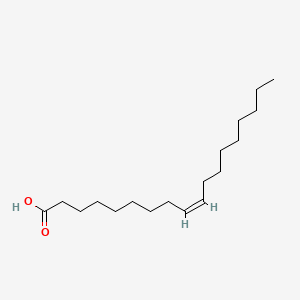
C18H34O2
Free fatty acids are shown for comparison. In edible oils, most fatty acids are esterified to glycerol as triacylglycerols. Condensed formulas do not show double-bond geometry; the skeletal drawings do.
A systematic review and meta-analysis of 33 studies covering 21 oils found that heating below 200°C had minimal impact on trans-fat levels. Between about 200 and 240°C, trans-fat levels increased with temperature, and prolonged heating increased them further.
Everyday Lipid takeaway
Normal cooking temperatures at or below roughly 200°C appear to generate little additional trans fat. Very high temperatures and prolonged heating can increase trans isomers, another reason to avoid severe overheating.
References
- Influence of Heating during Cooking on Trans Fatty Acid Content of Edible Oils: A Systematic Review and Meta-Analysis. PMID: 35406103.