
Oleic acid · C18:1 (cis-9)
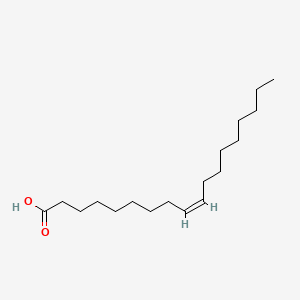
C18H34O2
Erucic acid · C22:1 (cis-13)
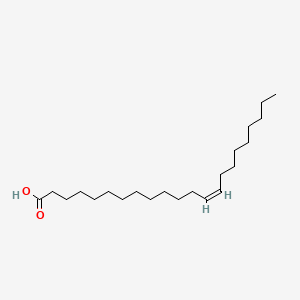
C22H42O2
Free fatty acids are shown for comparison. In edible oils, most fatty acids are esterified to glycerol as triacylglycerols. Condensed formulas do not show double-bond geometry; the skeletal drawings do.
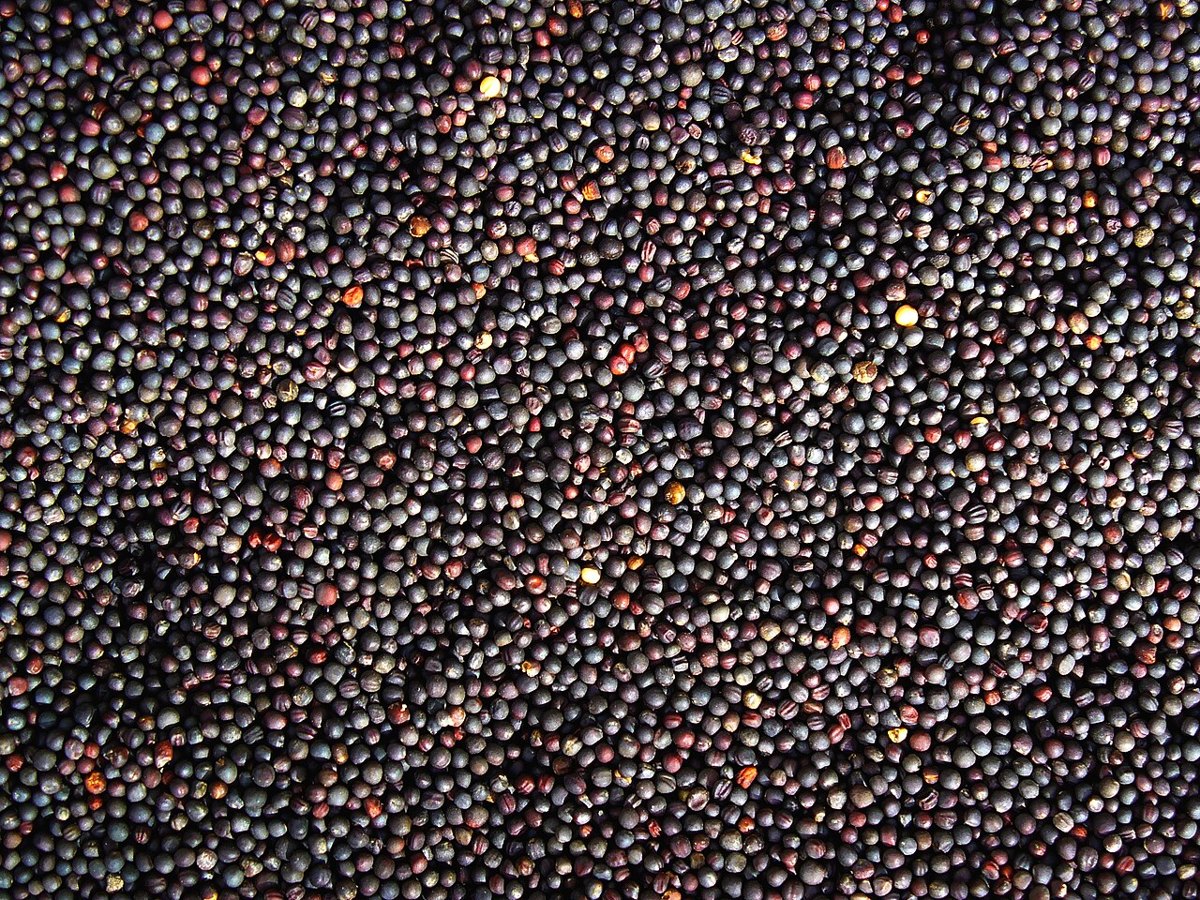
Codex defines low-erucic-acid rapeseed oil, including canola oil, as containing no more than 2% erucic acid of total fatty acids. Canadian canola-quality standards likewise specify less than 2% erucic acid in the oil.
High-erucic rapeseed oil raised toxicological concerns historically, especially from animal studies, and that history drove breeding and regulatory standards for low-erucic food varieties.
“Canola” describes a quality class, not a genetic-engineering method; canola-quality varieties can also be developed through conventional breeding.
Everyday Lipid takeaway
Modern canola is low-erucic-acid rapeseed oil. Concerns about traditional high-erucic rapeseed oil should not be transferred directly to modern canola oil.
References
- Codex Alimentarius. CXS 210-1999.
- Health Canada. Low erucic acid rapeseed oil / canola-quality Brassica.