
VISUAL EXPLAINER
Same source plant, different food matrix
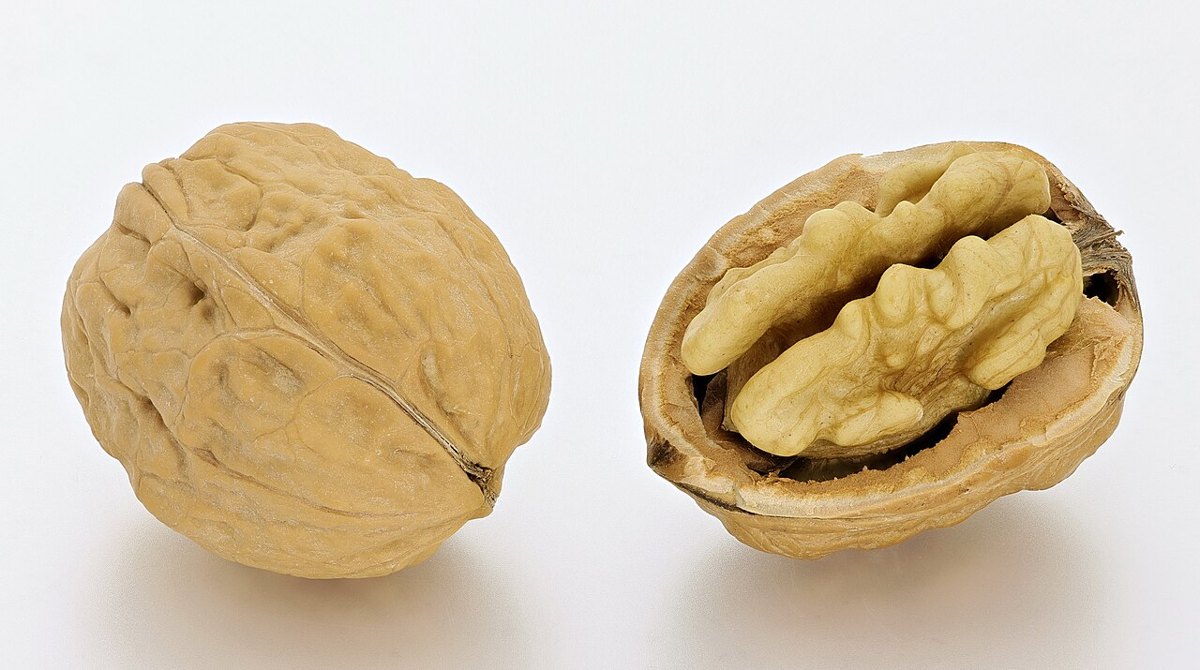
Whole nuts or seeds
Oil remains within a food containing protein, fiber and cellular structure.
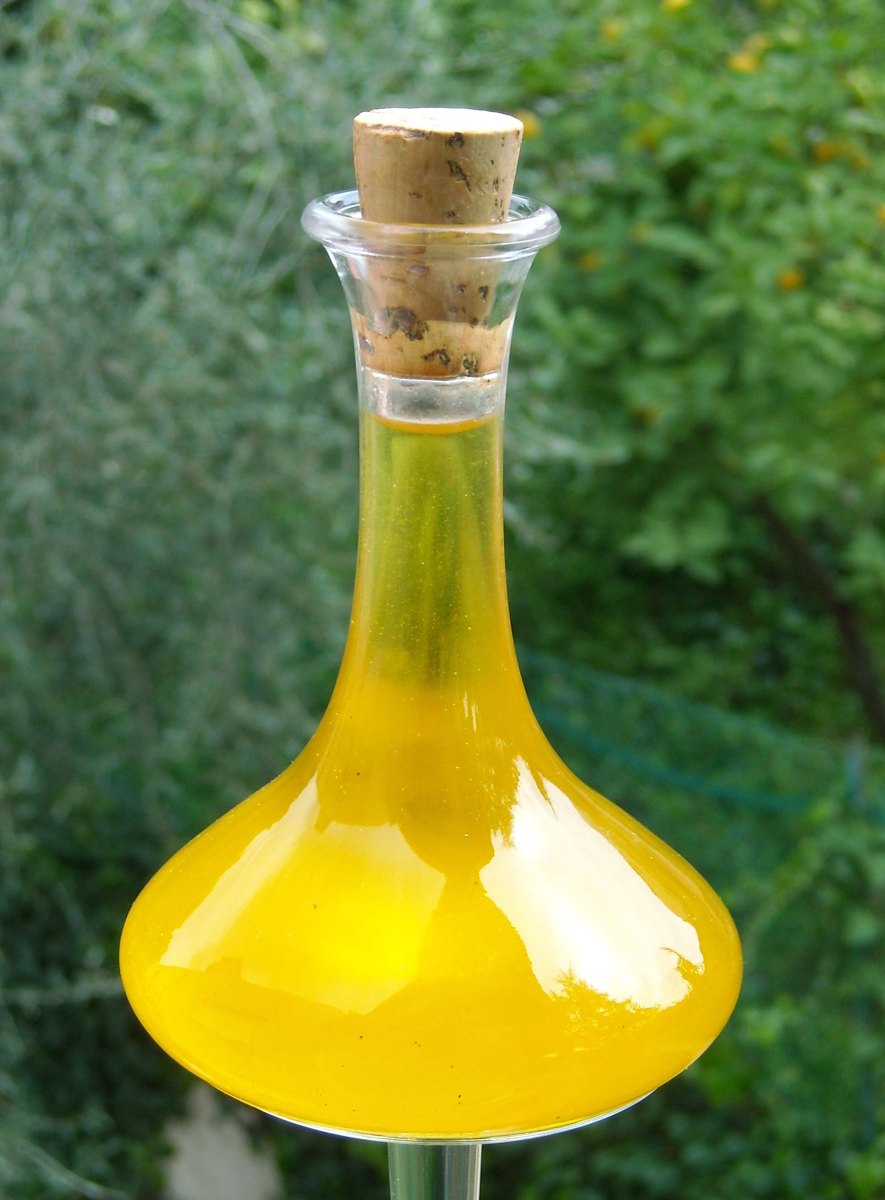
Extracted oil
A concentrated lipid ingredient with useful culinary functions; not nutritionally identical to the whole food.
A compositional comparison, not a claim that all whole-food fats have the same clinical effect.
VISUAL EXPLAINER
Chain length changes the dominant transport route
Schematic of predominant routes; transport is not exclusive. C12 (lauric acid) is intermediate and should not be equated with purified C8/C10 MCT oil. Experimental route evidence includes animal studies; this is not a weight-loss claim.
Source: Experimental study of portal and lymphatic transport
Randomized-trial evidence shows that regular nut consumption can modestly improve blood lipid measures, including LDL cholesterol.
Extracted oils are not therefore “unhealthy.” They are concentrated sources of fat and can provide useful unsaturated fatty acids. The narrower point is that whole foods and extracted oils are not nutritionally interchangeable simply because they came from the same plant.
Everyday Lipid takeaway
Whole-food fats and added oils can both fit in a healthy diet, but they play different nutritional and culinary roles.
References
- Nishi SK et al. Effect of nut consumption on blood lipids... 2025. PMID: 39638677.
- Harvard T.H. Chan School of Public Health. Preventing Heart Disease – The Nutrition Source.