
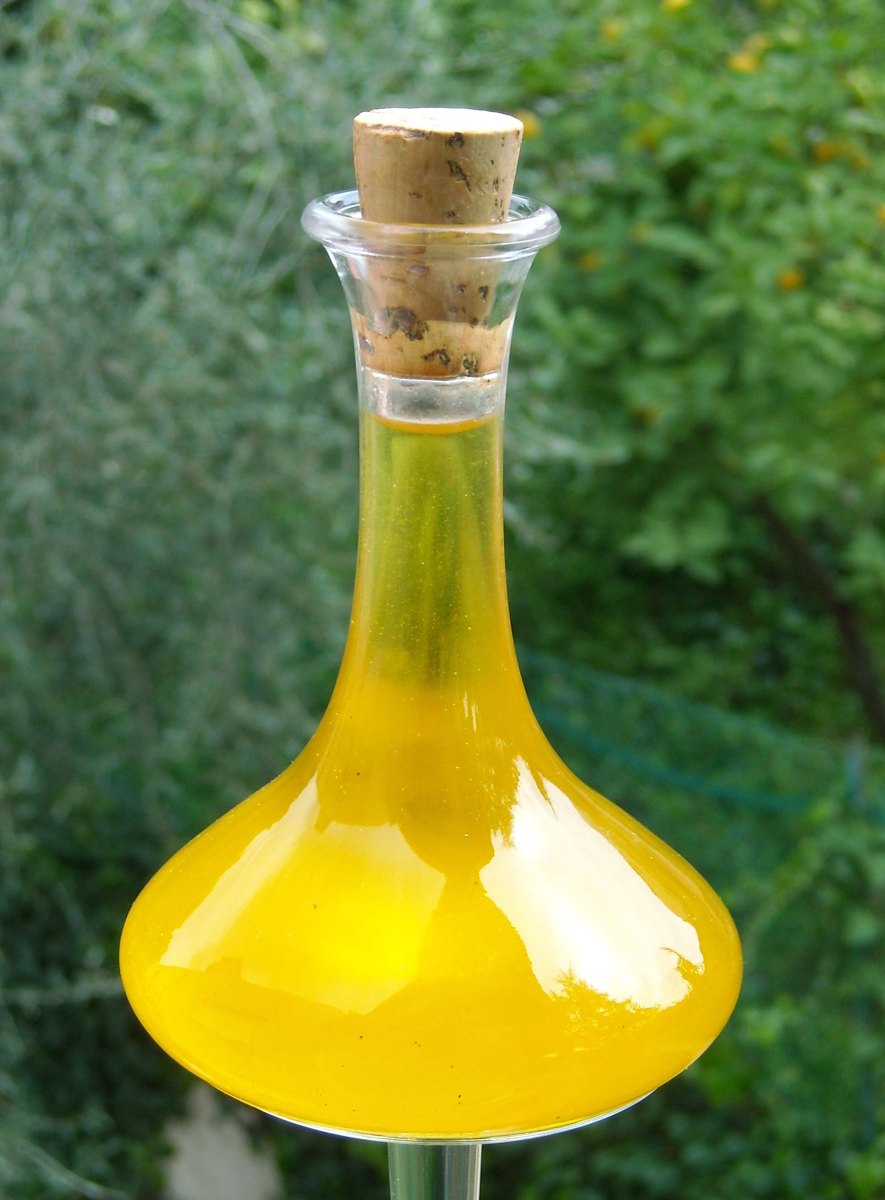
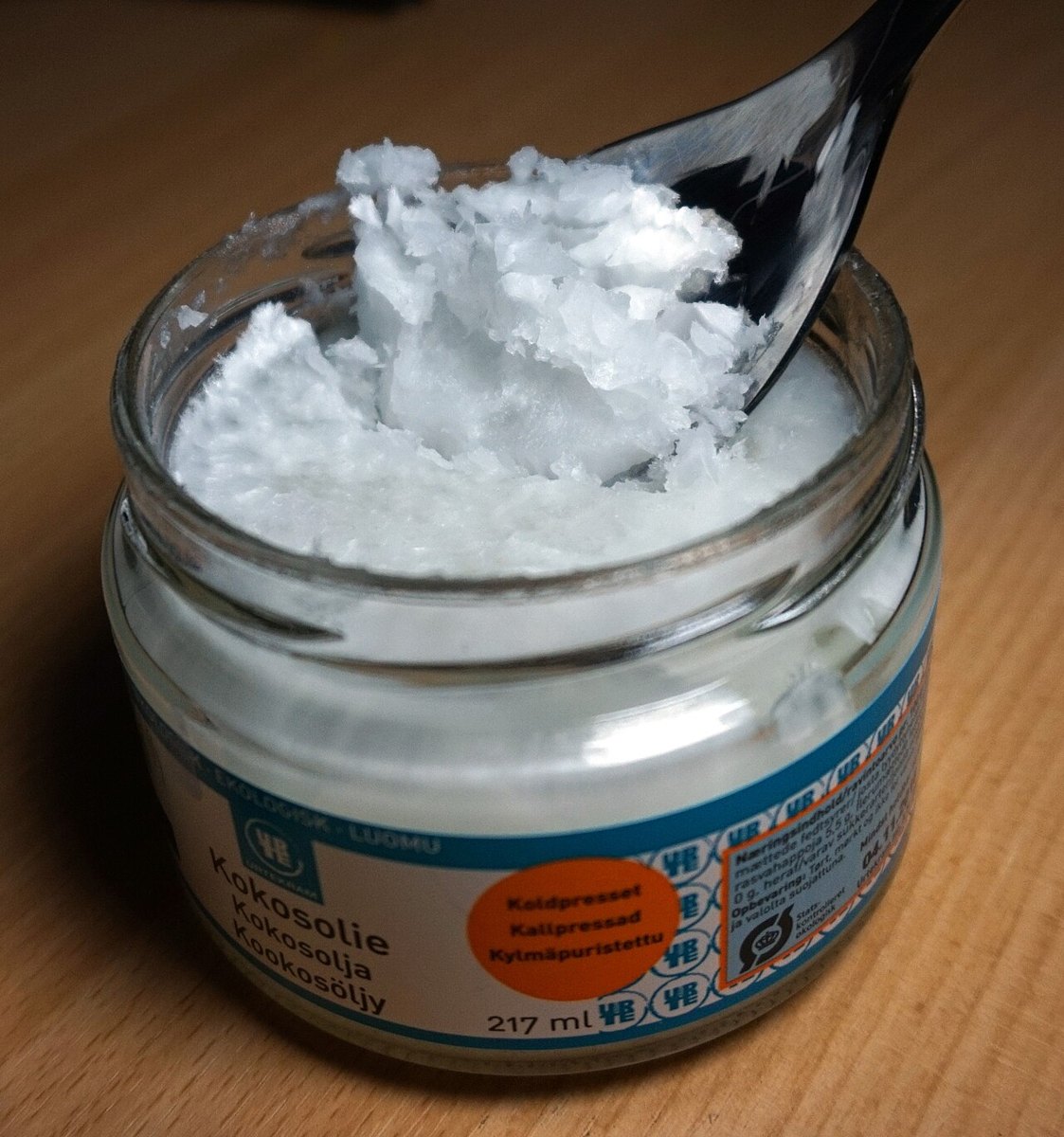
VISUAL EXPLAINER
The replacement nutrient matters
This is a dietary substitution relationship, not an effect size for an individual. A mechanism or risk-factor change is not interchangeable with a measured clinical outcome.
Oleic acid · C18:1 (cis-9)
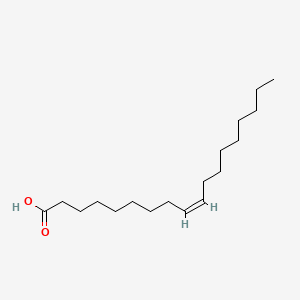
C18H34O2
Linoleic acid · C18:2 (n-6)
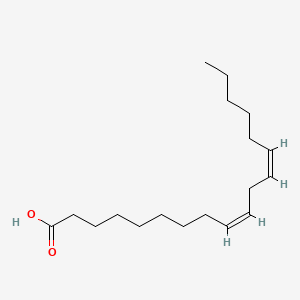
C18H32O2
Free fatty acids are shown for comparison. In edible oils, most fatty acids are esterified to glycerol as triacylglycerols. Condensed formulas do not show double-bond geometry; the skeletal drawings do.
LDL cholesterol is one of the clearest findings
Replacing saturated fat with polyunsaturated fat lowers LDL cholesterol in controlled feeding studies. LDL is a causal risk factor in atherosclerotic cardiovascular disease.
Replacement matters
Replacing saturated fat with refined starch or sugar is not equivalent to replacing it with unsaturated fat. WHO guidance therefore emphasizes both limiting saturated fat and improving replacement quality.
What can we say confidently?
Replacing part of saturated fat intake with polyunsaturated fat lowers LDL cholesterol and is supported by major dietary guidelines. It is less appropriate to promise a fixed percentage reduction in cardiovascular events for an individual.
Everyday Lipid takeaway
When choosing between fats, shifting part of the diet from saturated toward unsaturated fats is the better-supported direction for cardiovascular health.
References
- WHO. Saturated fatty acid and trans-fatty acid intake for adults and children, 2023.
- WHO. Healthy diet, updated 2026.