
Linoleic acid · C18:2 (n-6)
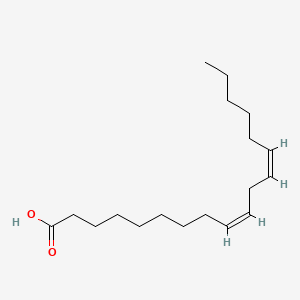
C18H32O2
α-Linolenic acid · C18:3 (n-3)
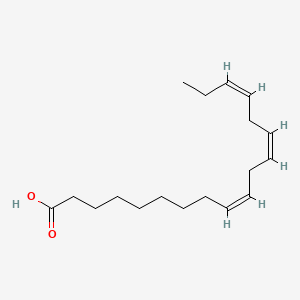
C18H30O2
Free fatty acids are shown for comparison. In edible oils, most fatty acids are esterified to glycerol as triacylglycerols. Condensed formulas do not show double-bond geometry; the skeletal drawings do.
VISUAL EXPLAINER
Two essential-fatty-acid families
Simplified pathways, not a prediction of an individual’s conversion rate. ALA conversion to EPA and DHA is limited. Enzyme pathways alone do not establish that an omega-6-rich food causes inflammation.
Omega-6 pathway reference: Δ6-desaturase substrate-competition study
Does linoleic acid increase inflammation?
A systematic review of randomized trials found virtually no evidence that increasing dietary linoleic acid increased common inflammatory markers in healthy people. A later meta-analysis of 30 randomized trials likewise found no significant overall increase in several circulating inflammatory markers.
What about the ratio?
A ratio can be descriptive but misleading. Two diets can have the same ratio with very different absolute intakes. A more practical goal is adequate omega-3 intake while obtaining essential omega-6 from normal foods.
Everyday Lipid takeaway
“Omega-6 = inflammation” is too simplistic. Current human trial evidence does not support treating linoleic-acid-rich foods as inherently inflammatory.
References
- Johnson GH, Fritsche K. J Acad Nutr Diet. 2012. PMID: 22889633.
- Su H et al. Meta-analysis of dietary linoleic acid and inflammatory markers. PMID: 28752873.